Learn more about what we offer, and how it works
Equine-Assisted Psychotherapy: Frequently Asked Questions
-
Equine-assisted psychotherapy is a form of experiential therapy that involves working with horses as part
of the therapeutic process. Sessions are guided by a licensed mental health therapist and trained equine
specialists. Rather than focusing only on talking, this approach invites insight, emotional awareness, and
nervous system regulation through experience, relationship, and presence.
-
Not at all. No prior horse experience is required. You won’t be asked to ride, train, or “perform” in any
way. Everything is designed to feel accessible, respectful, and at your pace.
-
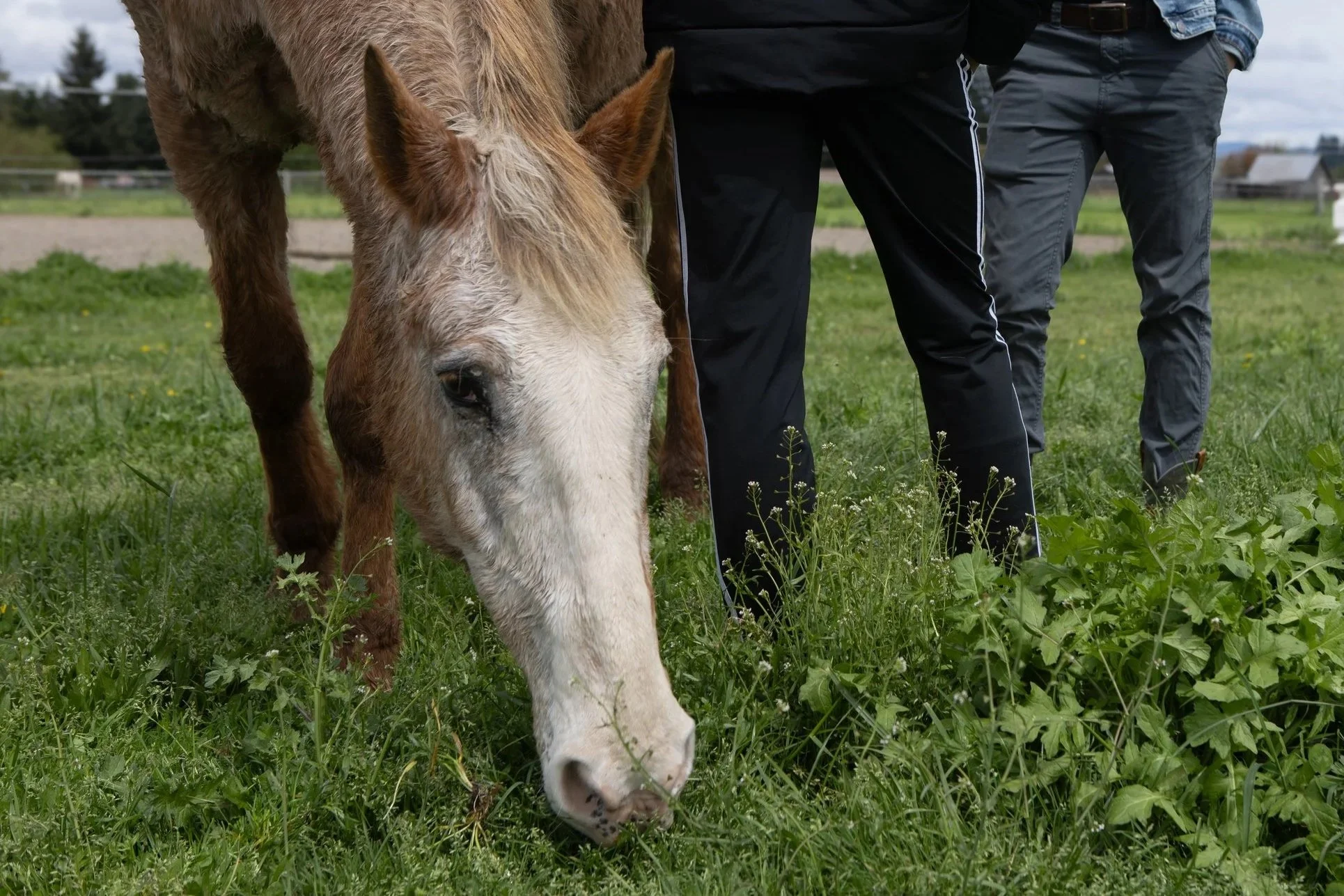
Sessions typically take place on the ground in an arena or pasture. Activities may include observing,
interacting with, or moving alongside horses, always with clear guidance and support. The focus is not on
doing things “right,” but on noticing what comes up—emotionally, physically, and relationally—and
exploring that together in a safe, supported way.
-
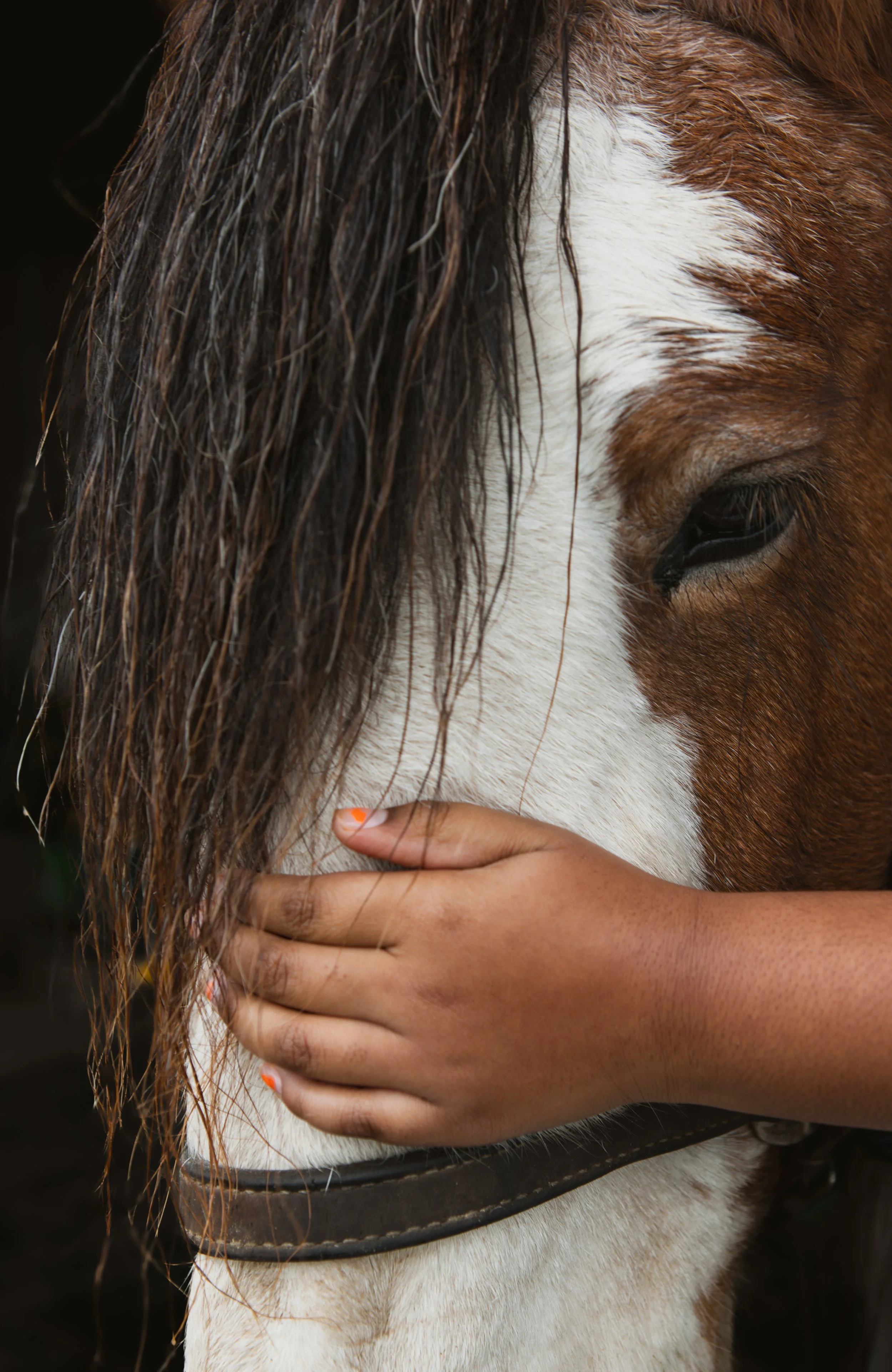
Horses are highly attuned to their environment and respond honestly to what they sense. This can gently
reflect patterns related to boundaries, trust, emotions, and regulation. For many people with trauma
histories, equine-assisted work supports healing by engaging the nervous system directly and offering
experiences of safety, connection, and choice—often without needing to rely solely on words.
-
Equine-assisted psychotherapy is grounded in trauma-informed and experiential approaches and it can be
integrated with evidence-based modalities such as EMDR, Internal Family Systems (IFS), mindfulness,
and sensorimotor psychotherapy. While the experience may feel different from traditional talk therapy, it
is intentional, clinically guided, and thoughtfully structured.
-
This approach can be especially helpful for:
Individuals with depression, anxiety, trauma or complex PTSD
Veterans and Military members
People who feel “stuck” in traditional talk therapy
Those who struggle to put experiences into words
Anyone seeking a more experiential, body-based approach to healing
-
Clients choose where they would like to hold sessions, whether that is in the field, the office, or via Telehealth. Working with the horses in the field is completley optional.
-
Yes. Safety—physical, emotional, and relational—is always the priority. Sessions are facilitated by a
licensed therapist alongside trained equine specialists, and horses are carefully selected and supported.
You are never required to do anything that feels unsafe or overwhelming.
-
Insurance coverage varies by provider and plan. Some plans may cover psychotherapy services, while
others may not cover equine-assisted components. We’re happy to discuss options and help you
understand what may apply to your situation.
Currently we are in network with the following insurances: Aetna, Cigna, Open Card (Medicaid),
Medicare, Providence, Regence, UBH and also offer private pay options.
-
That’s completely normal. Many people feel curious and hesitant at first. You’re always welcome to ask
questions, go slowly, and decide what feels right for you. Therapy—especially equine-assisted therapy—
meets you where you are.
-
If you’re interested in equine-assisted psychotherapy, the first step is usually a conversation. You’re
welcome to reach out to learn more, ask questions, or explore whether this approach might be a good fit
for you.
Equine-Assisted Psychotherapy for Military and Veterans
Equine-assisted psychotherapy offers Service Members and Veterans a structured yet flexible approach to healing that doesn’t require retelling your story or pushing past your limits. This work is grounded in safety, situational awareness, and regulation—meeting you where you are, not where you “should” be.
Many Service Members and Veterans find this experiential approach supports easing hypervigilance, rebuilding trust, and creating moments where the nervous system can finally stand down. Equine-assisted psychotherapy offers a nontraditional, trauma-informed approach that works with the nervous system rather than against it. Sessions are collaborative and paced, honoring your autonomy and lived experience.
Whether you’re navigating PTSD, moral injury, transitions to civilian life, or the ongoing impact of staying “on guard,” this approach creates space to reconnect with yourself in a way that feels grounded, respectful, and real.
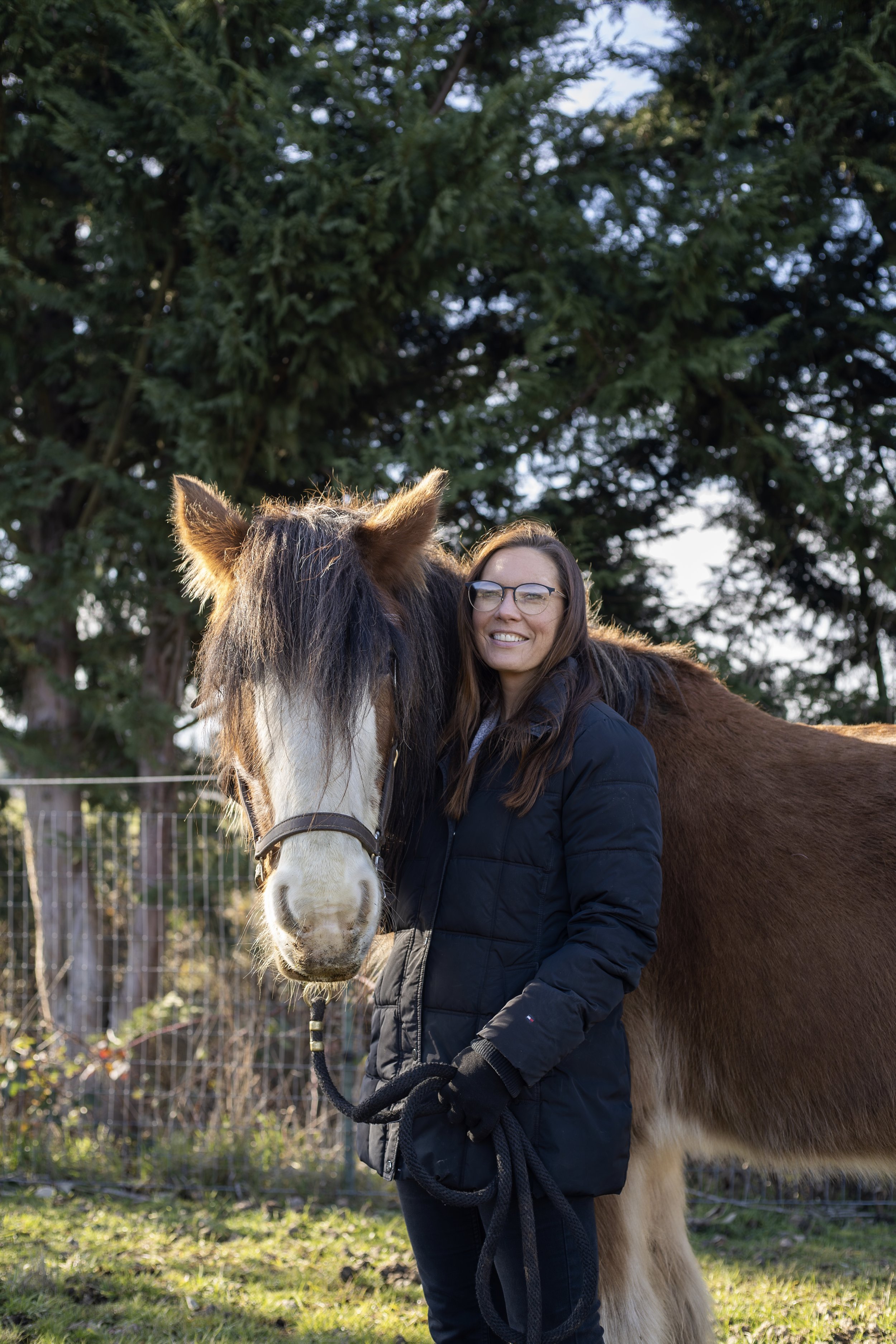
Your Therapy Team
-
![]()
Mollie Baker
OWNER / THERAPIST
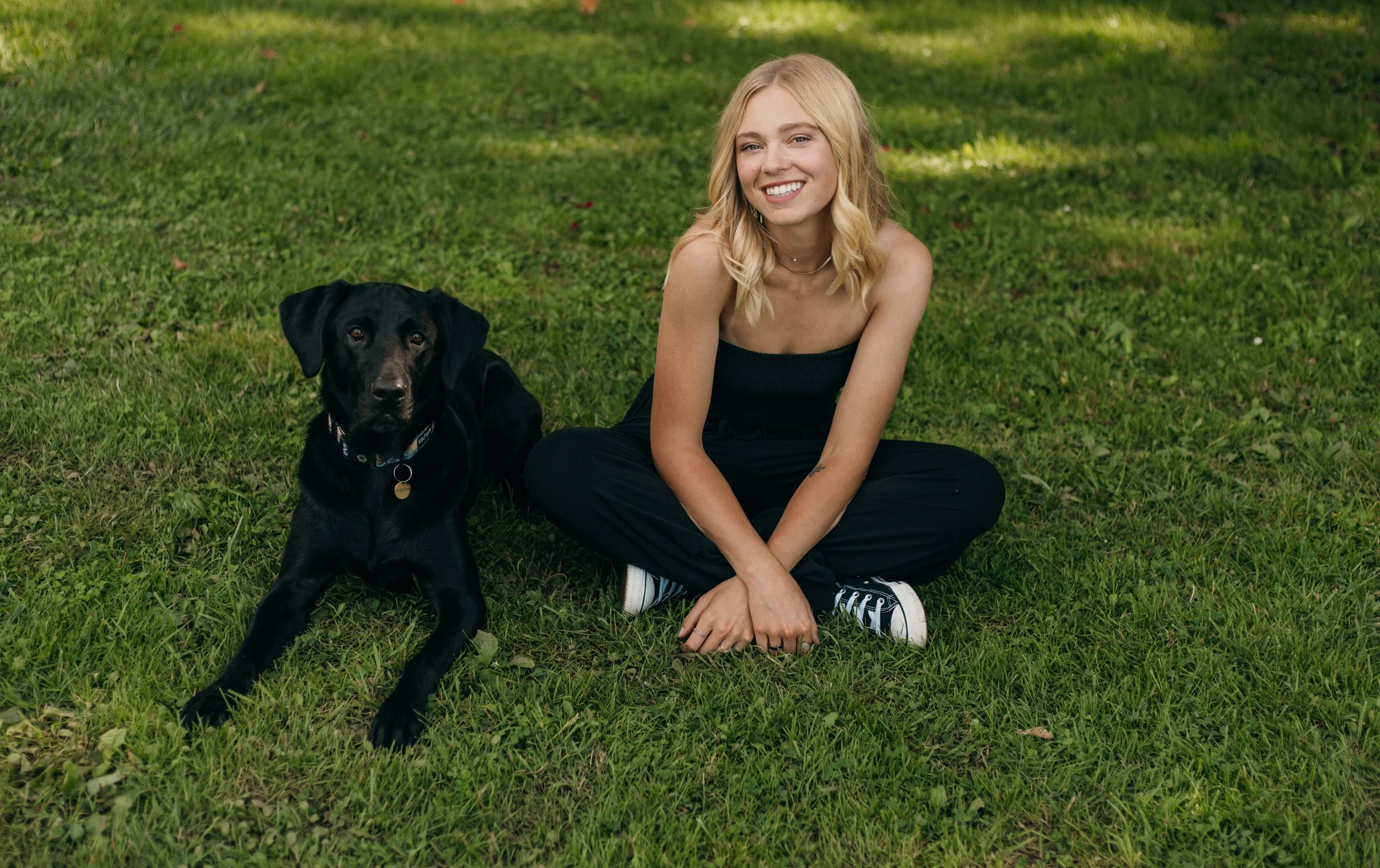
Mollie is a licensed clinical social worker, clinical supervisor and yoga teacher offering trauma-informed psychotherapy with a focus on equine-assisted sessions. In the presence of horses, healing unfolds through felt experience—inviting you to slow down, listen to your body, and reconnect with a sense of safety and trust. Mollie’s work integrates Internal Family Systems (IFS) Informed EMDR, sensorimotor psychotherapy and Emotional Freedom Technique (EFT) and other somatic based interventions to support adults navigating trauma, relational wounds, grief and loss, life transitions and general stress of life. Clients are supported to move at their own pace, honoring the wisdom of their nervous systems and the parts that have learned to survive. This work is an invitation back to yourself—grounded, connected, and supported in relationship with both human and horse.
-
![]()
Katie Ebbage
SOLID STRIDES EXECUTIVE DIRECTOR
-
![]()
Nicole Rochelle
EQUINE SPECIALIST
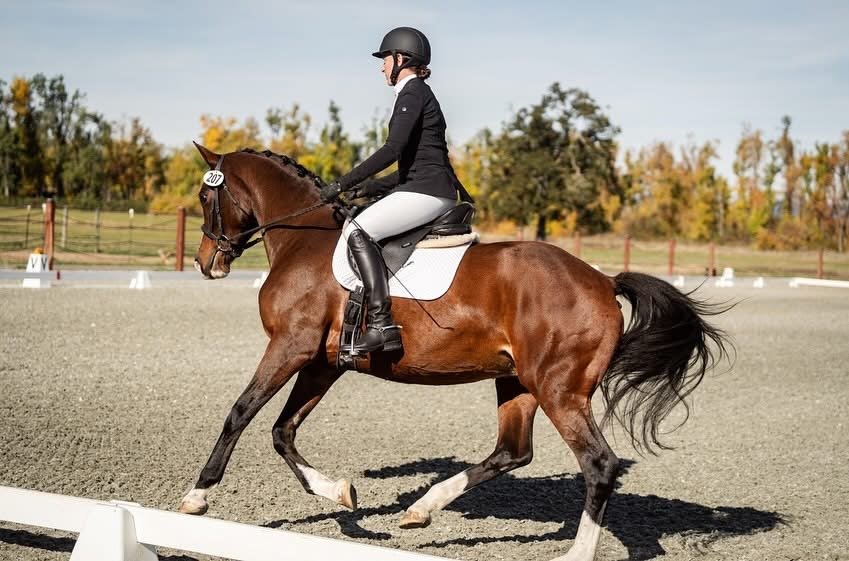
Nicole is an equine specialist who loves helping people connect with horses in a relaxed, supportive environment. She brings a calm, down to earth approach to everything she does, creating a space where both people and horses can feel comfortable and understood. Nicole has trained with both the Natural Lifemanship and EAGALA equine-assisted psychotherapy approaches, with focus on inviting ease, trust, and a natural unfolding to occur in sessions. Nicole has a deep attunement to both horses and humans, holding space with quiet wisdom and genuine care. Her ability to remain centered and connected creates an environment where others can begin to soften, feel seen, and reconnect with themselves.
In partnership with the horses, Nicole supports moments of insight, regulation, and authentic connection that often arise beyond words. Her presence reflects a deep trust in the process of healing—allowing each person’s experience to unfold in its own time, with respect, curiosity, and compassion.
Nicole also offers private individual, small group and family riding lessons. For more information, please see the Solid Strides’ website for updated information about horsemanship and riding lessons, clinics and camps: https://solidstrides.org/programs/
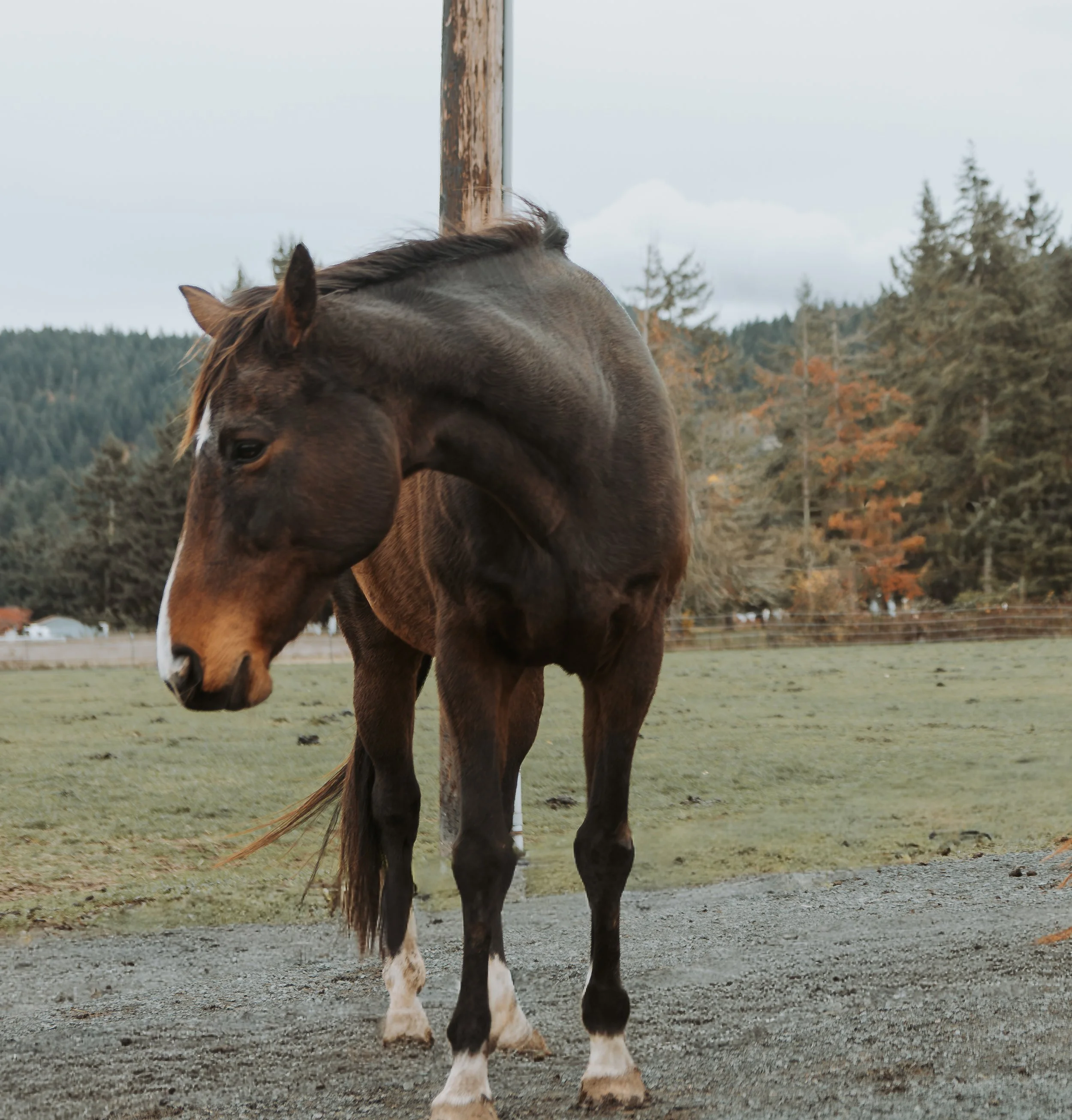
The Herd
-
![]()
Toffee
-
![]()
Gitter
-
![]()
Lilly
-
![]()
Lola
-
![]()
Jake
-
![]()
Chrissy